
Here’s your blog post:
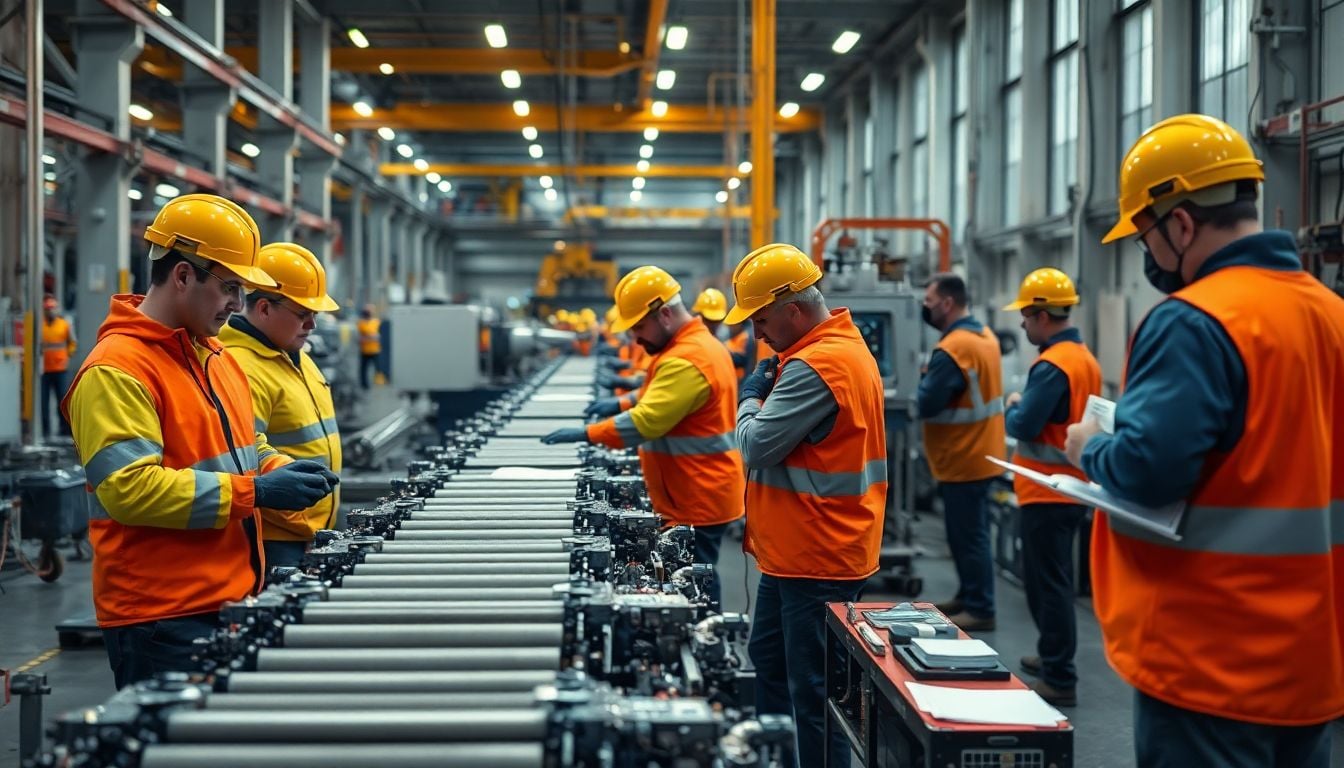 Imagine a scenario where a patient receives the wrong medication due to a mix-up during manufacturing. The consequences can be devastating: health complications, recalls, and huge financial losses. In-Process Quality Assurance (IPQA) and line clearance are vital in preventing such incidents. IPQA involves monitoring quality during production. Line clearance makes sure a manufacturing area is free of leftover materials before a new product is made. IPQA is essential for effective line clearance, protecting product quality and patient safety.
Understanding Line Clearance in Pharmaceutical Manufacturing
Line clearance is like hitting the reset button in a manufacturing area. It is super important. It stops mix-ups and cross-contamination, ensuring each batch of medicine is safe and correct.
What is Line Clearance? A Detailed Definition
Line clearance is the systematic process of removing all materials. This includes documentation and waste from a manufacturing area. This makes sure no remnants of previous operations exist before starting a new one. Steps include:
- Inspecting the area
- Removing all unnecessary items
- Cleaning surfaces
- Documenting the process
Following these steps guarantees a clean slate for the next product.
Objectives of Effective Line Clearance
The goal of line clearance is simple: prevent problems. Effective line clearance prevents cross-contamination. Also, it stops mix-ups. It ensures batch integrity. Finally, it complies with regulations. These objectives are crucial for producing safe medicine.
Regulatory Guidelines for Line Clearance (e.g., GMP, FDA)
Regulations like Good Manufacturing Practices (GMP) and the Food and Drug Administration (FDA) have rules about line clearance. These rules make sure companies follow strict procedures. Adhering to these guidelines is not just about following the law. It’s about protecting public health.
IPQA’s Role in the Line Clearance Process
IPQA is like a quality gatekeeper during line clearance. It makes sure everyone follows the rules. It identifies possible problems. This proactive approach prevents mistakes and maintains quality.
Verification of Line Clearance Procedures
IPQA verifies that all steps in the line clearance Standard Operating Procedure (SOP) are followed carefully. This verification includes checking documentation. Also, it confirms physical removal of materials. This guarantees nothing is missed.
Documentation Review and Approval
Documentation is super important. IPQA reviews and approves line clearance paperwork. It ensures accuracy and completeness. Accurate records prove the process was done correctly.
Identifying and Addressing Potential Risks
IPQA finds risks during line clearance. It implements corrective actions. For example, if a cleaning procedure is not effective, IPQA can recommend a better method. This keeps issues from occurring.
Key Responsibilities of IPQA During Line Clearance
IPQA personnel have specific tasks. These tasks include inspection, documentation, and decision-making. All these guarantee a smooth and compliant line clearance.
Visual Inspection of Manufacturing Areas
IPQA does visual inspections. They look for leftover materials, labels, or equipment parts. This thorough inspection detects any hidden remnants.
Review of Batch Records and Material Reconciliation
IPQA reviews batch records. They reconcile materials. This makes sure no differences exist. This step is important for traceability and accountability.
Independent Verification and Sign-Off
IPQA provides an independent check. It signs off on the line clearance. This confirms the process is complete and compliant. This independent verification adds an extra layer of security.
Best Practices for IPQA Involvement in Line Clearance
To maximize effectiveness, here are some best practices. These will optimize IPQA’s role in line clearance. Following these tips leads to higher quality assurance.
Implementing a Risk-Based Approach to Line Clearance
Prioritize line clearance efforts based on risk. Focus on areas with higher potential for contamination. This makes the process more efficient.
Training and Competency of IPQA Personnel
Train IPQA staff. Make sure they understand line clearance procedures. Also, they need to know regulatory rules. Well-trained staff are crucial for effective line clearance.
Utilizing Checklists and Standardized Procedures
Use checklists and standard procedures. They improve consistency. They reduce errors in the line clearance process. These tools make sure all steps are followed every time.
Challenges and Solutions in IPQA-Led Line Clearance
IPQA-led line clearance faces challenges. But, there are solutions. Addressing these issues improves the process.
Time Constraints and Production Pressures
Balancing thorough line clearance with production is tough. Efficient time management is important. Schedule line clearances carefully. This allows enough time without slowing down production too much.
Human Error and Oversight
People make mistakes. Use second-person verification. This reduces human error. Having another person check the work can catch oversights.
Maintaining Documentation Accuracy and Completeness
Accurate documentation is important. Use electronic systems. Perform regular audits. This guarantees data is correct and complete.
Conclusion
IPQA plays a vital role in line clearance. It impacts product quality and patient safety. Following best practices and addressing challenges strengthens IPQA programs. This leads to enhanced quality assurance in pharmaceutical manufacturing. Pharmaceutical manufacturers should strengthen their IPQA programs. Also, they should improve line clearance procedures. This leads to higher quality assurance.
